

Sell a Rental Property With Tenants — The Lease, the Deposit, and What Actually Happens at Closing
A tenant in the house doesn't stop the sale. It just means doing the sale the right way. The lease doesn't end when the title changes hands. The security deposit doesn't disappear either. Your tenant doesn't have to move out before you sign. Our Houston cash-offer service buys rentals with the tenant still living there. Texas law also spells out what happens next. That covers the lease, the deposit, and the notice rules when a rented house sells.
SELL YOUR HOME IN 3 SIMPLE STEPS
A clear process. No repairs. No obligation.

1. Contact Us By Filling The Form
Provide us with some basic info by filling out the form below. Once we receive your information, we figure out how much we can offer for your house and will contact you within 24 hours.

2. Receive Your Cash Offer
Whether you'd like to meet in person or just speak on the phone, we’ll give you our best, free no-obligation cash offer in writing or just verbally.

3. Pick A Closing Date
If you accept our offer, we can close in as little as 7 days! But if you need more time, we will work closely with you to make sure closing happens on your timeline.
YES, It's That Simple
WE WANT TO HELP!
Life is hard enough without having to worry about trying to sell your home. We'll do everything possible to make selling your home as convenient and stress-free as possible

FOR ANY SITUATION
Foreclosures
Divorce
Financial Struggles
Relocation

IN ANY CONDITION
Structural Damage
Unfinished Interiors
Hoarder Home
Major Repairs Needed
WITH ANY STRUGGLES
Code Violations
Low Equity
Bad Tenants
Late Mortgage Payments
5 Reasons To Work With Us:

NO REPAIRS
We'll gladly buy your home "as-is," in any condition.

WE DO ALL THE WORK
From paperwork to legal complexities, we've got it all covered

NO FEES
You won't pay fees or commissions of any kind.

CLOSE FAST
Close on your schedule and get cash in as little as a week.

LOCAL TITLE COMPANY
We close through a reputable title company in your market.
Selling Your House To Us = No Pressure or Stress
Want to sell your house fast in Houston but worried about dealing with a complicated process? We are reliable cash buyers who stick to our offers and make selling easy. Whether you are just curious about what a serious cash offer for your house looks like or if you are ready to sell, the offer is free and you are under no obligation to take it.
Sell My House In Houston Fast With Confidence!
Fill Out This Form To Get Your No-Obligation All Cash Offer Started!
Need to get in touch?
Houston Service Area
Choose your city for local information about selling your house as-is.
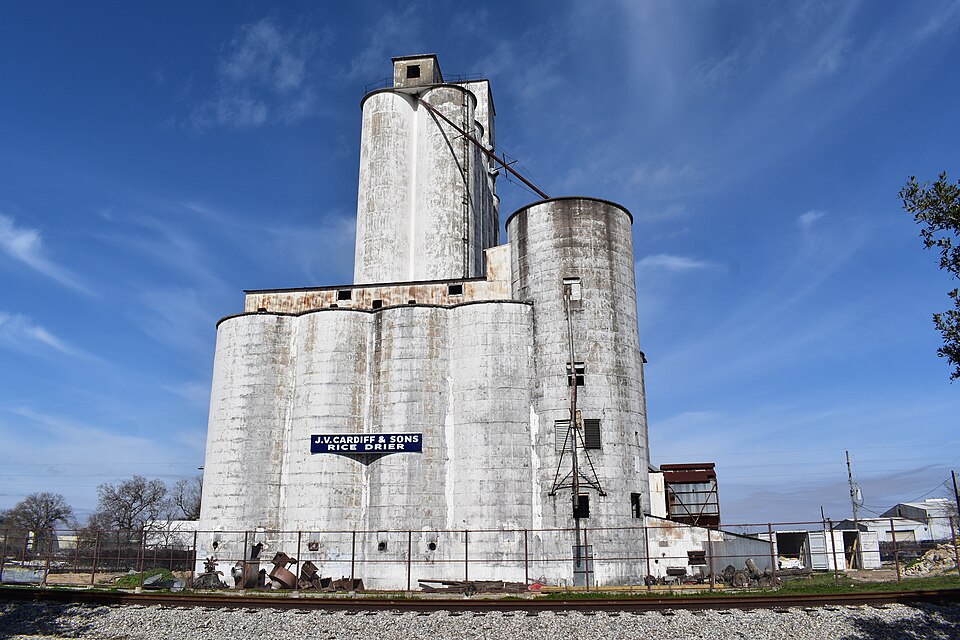 Sell Your Home Fast in Katy, TX
 Sell Your Home Fast in Cypress, TX
 Sell Your Home Fast in Spring, TX
 Sell Your Home Fast in Pasadena, TX
 Sell Your Home Fast in Sugar Land, TX
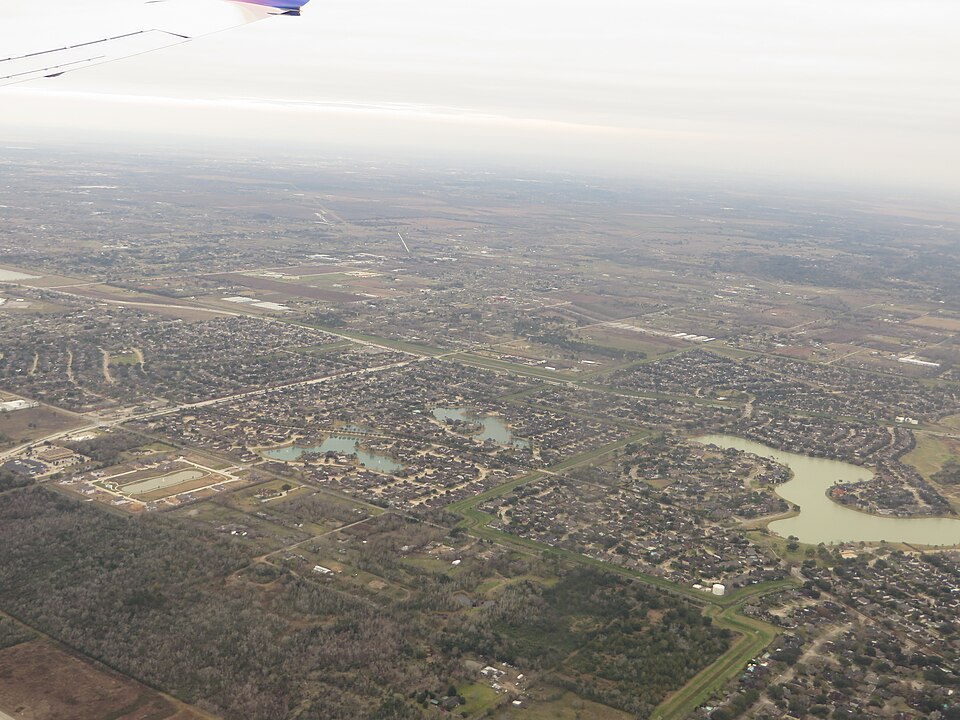 Sell Your Home Fast in Pearland, TX
 Sell Your Home Fast in Humble, TX
 Sell Your Home Fast in Baytown, TX
City photo credits
- Katy photo: Chday — CC0 1.0
- Cypress photo: Izisoo — CC BY-SA 4.0
- Spring photo: Renelibrary — CC BY-SA 4.0
- Pasadena photo: EvanCarroll — CC BY-SA 3.0
- Sugar Land photo: WhisperToMe — Public domain
- Pearland photo: Ken Lund — CC BY-SA 2.0
- Humble photo: DanielCD — CC BY-SA 3.0
- Baytown photo: Baytownbert — CC BY-SA 3.0


What Houston Homeowners Should Know Before Selling
Can I sell a house if a tenant is currently living in it?
Yes. The buyer takes the property subject to the existing lease under Tex. Prop. Code §92.001(2)'s definition of a landlord as the property's owner, so the lease continues with a new landlord after closing.
What happens to the lease when the rental property sells?
It continues. A fixed-term lease runs to its end date regardless of who owns the house; a month-to-month tenancy continues until either side gives notice under Tex. Prop. Code §91.001. The sale itself doesn't end either kind of lease.
Do I have to evict the tenant before I can sell the house?
No. Selling isn't a notice to vacate and isn't grounds for eviction. Tex. Prop. Code §24.005's notice rules apply when a tenant defaults or holds over past the lease term — not because the house is sold to a buyer taking it subject to the lease.
What happens to the tenant's security deposit when I sell?
It transfers at closing. Under Tex. Prop. Code §92.105, the new owner becomes liable for it from the date title transfers and must give the tenant a signed statement with the exact dollar amount; the seller stays liable until the buyer receives it or assumes that liability in writing.
Does it matter if the tenant has a month-to-month lease instead of a signed one-year lease?
It affects timing, not whether the house can sell. A fixed-term lease binds the new owner until its end date. A month-to-month tenancy can be ended by either side under §91.001, but the sale itself doesn't serve that notice — it has to be given separately, in writing.
Will you buy a rental property that has a difficult or behind-on-rent tenant?
Yes. We evaluate the lease, the rent status, the deposit on file, and the property's condition together and price it into the offer — a tenant behind on rent or a property with open repair items doesn't take the sale off the table.
Do I owe taxes if I sell a rental property with tenants in it?
It depends on your basis, gain, depreciation and how you used the property. A former principal residence that was later rented may still qualify for some home-sale exclusion if the eligibility tests are met; depreciation and nonqualified-use rules can limit it. Ask a CPA to calculate your result. Forgiven mortgage debt is a separate issue discussed on our 1099-C page.
Am I still responsible for repairs on the rental while I'm trying to sell it?
Yes. Tex. Prop. Code §92.052 requires a landlord to make a diligent effort to fix a condition that materially affects a tenant's health or safety once properly notified, and that duty doesn't pause during a sale. Unresolved repair or code issues get priced into a cash offer rather than needing to be fixed first.
Selling With a Tenant in Place Doesn't Start With an Eviction
A house doesn't need to be vacant to sell. Under Tex. Prop. Code §92.001(2), a "landlord" is defined as "the owner, lessor, or sublessor of a dwelling" — not a specific person named on the original lease. That definition is what makes selling an occupied rental work: whoever owns the dwelling holds the landlord's obligations under the lease, so when the property sells, the buyer steps into that role for whatever's left of the term. Nothing in the sale itself terminates the tenancy or requires the seller to remove the tenant first.
If you're ready to sell a Houston property with a tenant already in place, we buy occupied rentals for cash and can close around the existing lease instead of requiring it to end first.
Fixed-Term Lease or Month-to-Month? It Changes What Happens Next
What kind of lease is on the property decides how much runway the buyer — or the seller, if a deal falls through — actually has.
A Fixed-Term Lease
A one-year lease, or any lease with a stated end date, runs to that date no matter who owns the house in the meantime. The new owner takes the property subject to it. Tex. Prop. Code §92.001(3) defines a lease broadly as "any written or oral agreement between a landlord and tenant that establishes or modifies the terms, conditions, rules, or other provisions regarding the use and occupancy of a dwelling" — an oral arrangement counts as much as a signed document.
A Month-to-Month Tenancy
A monthly tenancy doesn't need a triggering event to end — either side can terminate it by giving notice to the other, under Tex. Prop. Code §91.001(a). If the rent-paying period is at least a month, §91.001(b) ends the tenancy on whichever is later: the date named in the notice, or one month after notice was given. Selling the house doesn't serve that notice by itself — someone still has to give it, in writing, if ending the tenancy (rather than transferring it to the new owner) is the goal.
Notice to Vacate: What the Law Actually Requires
Selling the property is not, by itself, a notice to vacate and isn't grounds for eviction. Tex. Prop. Code §24.005 sets the baseline: before a forcible detainer (eviction) suit against a tenant who defaults or holds over past the lease term, the tenant is generally owed at least three days' written notice to vacate — unless the lease sets a different period, which controls instead. That clock is for a tenant in default or overstaying, not a clock a for-sale sign starts.
A foreclosure is different from a voluntary sale. Federal protections for qualifying bona fide tenants generally require at least 90 days’ notice and may protect the remaining lease term. State notice rules alone are not the full answer. Before taking possession after foreclosure, have a Texas landlord-tenant attorney review the lease and the Protecting Tenants at Foreclosure Act.
If it comes to an eviction filing, Tex. Prop. Code §24.004(a) puts jurisdiction in "a justice court in the precinct in which the real property is located." Harris County runs eight JP precincts, so which court hears a given eviction depends on where the house sits.
What Happens to the Security Deposit When the House Sells
The deposit follows the property, not the seller's bank account. Tex. Prop. Code §92.105(a) — "Cessation of Owner's Interest" — makes the new owner liable for returning the tenant's security deposit "from the date title to the premises is acquired," once the owner's interest ends by "sale, assignment, death, appointment of a receiver, bankruptcy, or otherwise." Practically, the deposit has to move from seller to buyer at closing, the same way a mortgage payoff does.
§92.105(b) requires the new owner to give the tenant a signed statement acknowledging the purchase, responsibility for the deposit, and its exact dollar amount. §92.105(b-1) keeps the seller on the hook for a deposit received during their ownership "until the new owner has received the deposit or has assumed the liability for the deposit," unless the parties agree otherwise in writing — so silence on the deposit at closing doesn't make it disappear. (§92.105(c) carves out a foreclosing mortgage lienholder — a different fact pattern than a negotiated sale.) Separately, Tex. Prop. Code §92.104 sets the seller's duties while they still hold the deposit: deductions are limited to charges the tenant is legally liable for, normal wear and tear can't be charged against it, and an itemized accounting is owed for anything withheld.
Call (346) 641-3335 and we’ll walk through how the deposit and the lease transfer at closing on your property.
Repairs, Code Compliance, and What Still Follows the Property
Owning a rental with a tenant in it comes with an ongoing repair duty, and that duty doesn't pause during a sale. Tex. Prop. Code §92.052(a) requires a landlord to make a diligent effort to repair a condition once a non-delinquent tenant gives written notice (when the lease itself calls for written notice) of a problem that materially affects health or safety, or of a failed hot-water heater. §92.052(b) excuses damage the tenant, their family, or their guests caused beyond normal wear and tear — but the health-and-safety duty otherwise stands regardless of a pending closing.
A rental with open code violations on a rental property carries that duty on top of a city enforcement action — common enough on older rental stock that it gets its own page, covering what a title company and a cash buyer each do about open violations.
When the Rental Math Stops Working
A rental doesn't have to be in crisis to become a problem. Property taxes, insurance, and maintenance keep coming whether or not the tenant is current, whether or not a unit is filled, and whether or not the owner has any interest left in managing it. A tenant who's fallen behind, a repair the owner can't afford, a lease about to renew on a property the owner wants out of — any of those can turn a rental into a monthly bill with no clear end date.
Selling doesn't require solving that first. A cash sale that takes the property subject to the existing lease means the owner isn't carrying it through a vacancy, isn't paying to evict anyone, and isn't waiting for a lease to expire before listing. The lease and the deposit go with the property, and the carrying costs stop on the seller's side at closing.
Tax Considerations on an Occupied Rental Sale
Rental use affects the tax calculation, but it does not by itself settle eligibility for a home-sale exclusion. A former principal residence may still meet the ownership and use tests; depreciation and nonqualified-use rules can limit the exclusion. Have a CPA review the actual basis, depreciation schedule and use history before closing.
If the mortgage balance is close to or more than the sale proceeds will cover, the sale may end up structured as a short sale — the lender releasing its lien for less than the full balance — which brings its own question: whether the forgiven amount shows up as income on a Form 1099-C. The mechanics of that form, and when a forgiven amount is and isn't taxable, are a separate question a CPA can walk through with the actual numbers.
Selling an Occupied Rental for Cash: How the Offer Actually Works
Buying a tenant-occupied rental starts with the same information a lender or retail buyer would want, minus the financing contingency: the lease terms, the rent amount and whether it's current, the security deposit on file, and the property's condition, including anything the tenant has flagged under §92.052 that hasn't been fixed yet. None of that has to be resolved before an offer — it gets priced in and handled at or after closing.
The tenant doesn't need to move out, the lease transfers with the deed, and the deposit accounting is handled in writing at closing the way §92.105 requires. Spotless fixed-term lease, shaky month-to-month tenant, or open repair items — we buy houses in any condition, tenant and all.
A rental sale sometimes overlaps with other life events on the same property — if this one is also part of a split, see how a divorce sale works in Texas while the lease is still active.
We are a professional home buyer, not a law firm or a tax advisor. This page is general information about how the Texas Property Code treats leases, deposits and notice — not legal advice about your specific lease or tenant. For the legal call on your situation, talk to a Texas attorney.
Contact Us
(346) 641-3335
Email: hello@as-ishomebuyer.com
Service Hours
Monday - Friday: Open 24 Hours
Saturday: Open 24 Hours
Sunday: Open 24 Hours
Social Media
2026 | All Rights Reserved
Privacy Policy | Terms of Service | Site Map
Contact Us
Service Hours
Social Media
Email: hello@as-ishomebuyer.com
(346) 641-3335
Open 24 Hours
7 Days Per Week